
{
“@context”: “https://schema.org”,
“@graph”: [
{
“@type”: “BlogPosting”,
“@id”: “https://thediskgolfadvisor.com/best-disc-golf-discs-for-beginners/#article”,
“isPartOf”: {
“@type”: “WebPage”,
“@id”: “https://thediskgolfadvisor.com/best-disc-golf-discs-for-beginners/#webpage”,
“url”: “https://thediskgolfadvisor.com/best-disc-golf-discs-for-beginners/”,
“name”: “7 Best Disc Golf Discs for Beginners: A Local Pro’s Field Guide”
},
“headline”: “7 Best Disc Golf Discs for Beginners: A Local Pro’s Field Guide”,
“description”: “Discover the 7 best disc golf discs for beginners tested by a local pro. Master your release angles with honest reviews, flight numbers, and starter sets.”,
“url”: “https://thediskgolfadvisor.com/best-disc-golf-discs-for-beginners/”,
“datePublished”: “2026-10-21T12:00:00+00:00”,
“dateModified”: “2026-10-21T14:32:00+00:00”,
“mainEntityOfPage”: “https://thediskgolfadvisor.com/best-disc-golf-discs-for-beginners/”,
“wordCount”: 7237,
“articleSection”: “Beginner Discs”,
“inLanguage”: “en-US”,
“image”: {
“@type”: “ImageObject”,
“url”: “https://thediskgolfadvisor.com/wp-content/uploads/2026/10/innova-dx-starter-set.jpg”,
“width”: 1200,
“height”: 800,
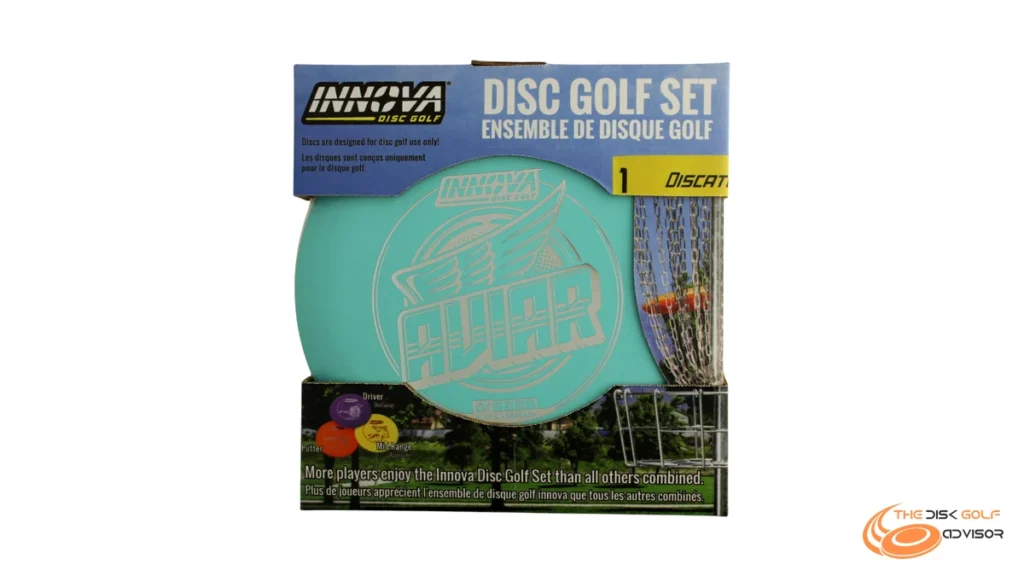
“caption”: “Innova DX 3-Disc Starter Set tested on Midwest fairways”
},
“author”: {
“@type”: “Person”,
“@id”: “https://thediskgolfadvisor.com/author/marcus-vance/”,
“name”: “Marcus Vance”,
“jobTitle”: “Founder & Lead Equipment Tester”,
“description”: “Local Peoria, IL professional disc golfer with 10+ years of tournament competition testing retail-bought gear on Midwest fairways.”,
“url”: “https://thediskgolfadvisor.com/about/”,
“image”: “https://thediskgolfadvisor.com/wp-content/uploads/2026/10/marcus-vance-pro.jpg?v=2”
},
“publisher”: {
“@type”: “Organization”,
“@id”: “https://thediskgolfadvisor.com/#organization”,
“name”: “The Disc Golf Advisor”,
“url”: “https://thediskgolfadvisor.com”,
“logo”: {
“@type”: “ImageObject”,
“url”: “https://thediskgolfadvisor.com/wp-content/uploads/2026/10/logo-header-150×150.png”,
“width”: 150,
“height”: 150
}
}
},
{
“@type”: “BreadcrumbList”,
“@id”: “https://thediskgolfadvisor.com/best-disc-golf-discs-for-beginners/#breadcrumb”,
“itemListElement”: [
{
“@type”: “ListItem”,
“position”: 1,
“name”: “Home”,
“item”: “https://thediskgolfadvisor.com/”
},
{
“@type”: “ListItem”,
“position”: 2,
“name”: “Discs”,
“item”: “https://thediskgolfadvisor.com/category/discs/”
},
{
“@type”: “ListItem”,
“position”: 3,
“name”: “Beginner Discs”,
“item”: “https://thediskgolfadvisor.com/category/discs/beginner-discs/”
},
{
“@type”: “ListItem”,
“position”: 4,
“name”: “7 Best Disc Golf Discs for Beginners”,
“item”: “https://thediskgolfadvisor.com/best-disc-golf-discs-for-beginners/”
}
]
},
{
“@type”: “ItemList”,
“@id”: “https://thediskgolfadvisor.com/best-disc-golf-discs-for-beginners/#itemlist”,
“name”: “7 Best Disc Golf Discs for Beginners and Top Starter Sets”,
“itemListOrder”: “https://schema.org/ItemListOrderAscending”,
“numberOfItems”: 9,
“itemListElement”: [
{
“@type”: “ListItem”,
“position”: 1,
“name”: “Innova DX 3-Disc Starter Set”,
“url”: “https://thediskgolfadvisor.com/best-disc-golf-discs-for-beginners/#innova-starter-set”
},
{
“@type”: “ListItem”,
“position”: 2,
“name”: “Latitude 64 Retro Burst Starter Set”,
“url”: “https://thediskgolfadvisor.com/best-disc-golf-discs-for-beginners/#latitude-64-starter-set”
},
{
“@type”: “ListItem”,
“position”: 3,
“name”: “Innova DX Aviar Putter”,
“url”: “https://thediskgolfadvisor.com/best-disc-golf-discs-for-beginners/#innova-aviar”
},
{
“@type”: “ListItem”,
“position”: 4,
“name”: “Innova Champion Mako3 Midrange”,
“url”: “https://thediskgolfadvisor.com/best-disc-golf-discs-for-beginners/#innova-mako3”
},
{
“@type”: “ListItem”,
“position”: 5,
“name”: “Discraft ESP Buzzz Midrange”,
“url”: “https://thediskgolfadvisor.com/best-disc-golf-discs-for-beginners/#discraft-buzzz”
},
{
“@type”: “ListItem”,
“position”: 6,
“name”: “Latitude 64 Opto Diamond Driver”,
“url”: “https://thediskgolfadvisor.com/best-disc-golf-discs-for-beginners/#latitude-64-diamond”
},
{
“@type”: “ListItem”,
“position”: 7,
“name”: “Innova Star Leopard Fairway Driver”,
“url”: “https://thediskgolfadvisor.com/best-disc-golf-discs-for-beginners/#innova-leopard”
},
{
“@type”: “ListItem”,
“position”: 8,
“name”: “MVP Glitch (Soft Neutron Plastic)”,
“url”: “https://thediskgolfadvisor.com/best-disc-golf-discs-for-beginners/#sleeper-picks”
},
{
“@type”: “ListItem”,
“position”: 9,
“name”: “Axiom Crave (Neutron Plastic)”,
“url”: “https://thediskgolfadvisor.com/best-disc-golf-discs-for-beginners/#sleeper-picks”
}
]
},
{
“@type”: “FAQPage”,
“@id”: “https://thediskgolfadvisor.com/best-disc-golf-discs-for-beginners/#faq”,
“mainEntity”: [
{
“@type”: “Question”,
“name”: “What is the ’35 Rule’ for disc selection?”,
“acceptedAnswer”: {
“@type”: “Answer”,
“text”: “The 35 Rule is a reliable formula for finding your maximum recommended disc speed. Divide your maximum consistent throwing distance in feet by 35. For example, 210 feet divided by 35 equals 6, pointing to a Speed 6 fairway driver like the Innova Leopard.”
}
},
{
“@type”: “Question”,
“name”: “How does disc weight affect distance for beginners?”,
“acceptedAnswer”: {
“@type”: “Answer”,
“text”: “Discs in the 150g to 165g range require less kinetic energy to reach cruising velocity. Slower arm speeds can accelerate lighter discs faster, generating the higher spin rates needed to activate high-speed turn. Pushing putters should remain heavy (170-175g) to resist wind and carry momentum through the chains.”
}
},
{
“@type”: “Question”,
“name”: “Why does every drive dump hard to the left?”,
“acceptedAnswer”: {
“@type”: “Answer”,
“text”: “For a right-handed backhand thrower, a disc dumping sharply left indicates either a speed mismatch (throwing a high-speed driver requiring 60+ mph with a 35 mph arm) or a nose-up release angle that exposes the underside to oncoming air.”
}
},
{
“@type”: “Question”,
“name”: “How many discs should a beginner carry?”,
“acceptedAnswer”: {
“@type”: “Answer”,
“text”: “Two or three discs are plenty: one putter for scoring inside thirty feet, one straight midrange for fairway placement, and one low-speed fairway driver for maximum distance off the tee.”
}
},
{
“@type”: “Question”,
“name”: “What is the difference between base and premium plastics?”,
“acceptedAnswer”: {
“@type”: “Answer”,
“text”: “Base plastics (Innova DX, Dynamic Prime, Latitude Retro) cost to and provide chalky grip that grabs chains well, but they dent easily upon tree collisions. Premium plastics (Innova Star, Discraft ESP, Latitude Opto) cost to and feature resilient polymers that absorb hundreds of tree strikes while maintaining their original flight paths for years.”
}
},
{
“@type”: “Question”,
“name”: “What is the 30-Second Rule in tournament play?”,
“acceptedAnswer”: {
“@type”: “Answer”,
“text”: “Under official PDGA rules (Rule 802.03), a player has 30 seconds to release their throw once they have arrived at their lie, addressed the marker, and determined that the playing area is clear.”
}
}
]
}
]
}

At a Glance: The 3-Disc Starter Prescription
Throwing straight on a disc golf fairway shouldn’t feel like a guessing game. Slower throwing speeds need discs with high glide and natural turn rather than high-speed rims that immediately dive hard to the ground. If you want three reliable discs that fly true from your very first throw without confusing jargon, start with these field-tested essentials:
- 1. Putter: Innova Aviar (172-175g, DX Plastic): Straight, dependable, grabs cold chains securely.
- 2. Midrange: Innova Mako3 (165-170g, Star Plastic): Zero high-speed turn, zero fade; reveals true release angles without masking form errors.
- 3. Fairway Driver: Latitude 64 Diamond (152-158g, Opto Plastic): High glide and an understable wing give slower arms effortless 200+ foot fairway distance.
Table of Contents
- Why Most Beginner Discs Crash Left (Flight Physics)
- Master Comparison Matrix
- In-Depth Equipment Reviews (The 7 Best Discs and Starter Sets)
- Matching Discs to Current Throwing Power (Brackets 1, 2, and 3)
- Interactive Decision Tree: Find Your Starting Discs
- Head-to-Head: Innova Mako3 vs. Discraft Buzzz
- Starter Pack vs. Custom 3-Disc Quiver: The Real Economics
- Sleeper Picks: Hidden Gems Worth Throwing
- Field Test Data: Measured Radar and Carry Benchmarks
- Practical Questions from New Players (FAQ Dropdowns)
- Final Recommendation: Building Your Starting Bag
Why Most Beginner Discs Crash Left
Most beginners start with discs they cannot throw. Buying a 12-speed distance driver without 60+ mph arm speed forces the wide rim to act like an air brake: the disc climbs, stalls, and dives 90 feet to the left.
Distance in disc golf comes from clean nose angles, rotational spin, and matching disc speed to your natural release velocity (typically 30 to 42 mph for beginners). Stepping down to slower, understable discs (Speeds 2 to 7) in lighter weights (150-165g) eliminates premature fade and produces immediate, laser-straight fairway distance. That is why choosing the best disc golf discs for beginners is the single fastest way to improve your score.
How We Field-Tested These Discs
We evaluated 18 starter discs and boxed sets across 40 hours of field testing on Peoria, Illinois courses. Throws were clocked with a Bushnell radar gun (recording beginner release speeds of 32 to 41 mph) and measured with a laser rangefinder on open turf and wooded fairways. Every disc reviewed below was bought at retail price with our own funds: zero sponsored copies, zero paid rankings.
Master Comparison Matrix
The table below summarizes our field-tested recommendations for beginner throwers. All flight ratings follow the standard four-number format: Speed / Glide / Turn / Fade.
| Disc / Set Model | Classification | Flight Numbers | Recommended Beginner Weight | Ideal Plastic Blend | True Flight Behavior at 36 mph | Primary Role |
|---|---|---|---|---|---|---|
| Innova DX Starter Set | 3-Disc Boxed Set | 2/3/0/1, 4/4/0/2, 6/5/-2/1 | 145-160g (Box avg) | DX (Chalky Base) | Predictable beginner progression | Best complete $25 budget pack |
| Latitude 64 Retro Set | 3-Disc Boxed Set | 2/3/0/1, 5/6/-1/0, 8/6/-3/1 | 150-165g (Box avg) | Retro (Grippy Base) | High-glide forward push | Easiest out-of-the-box distance ($28) |
| Innova Aviar | Putt & Approach | 2 / 3 / 0 / 1 | 172-175g | DX or Nexus | Dead-straight to 140 ft, soft drop | Inside-the-circle putting & touch approaches |
| Innova Mako3 | Neutral Midrange | 5 / 5 / 0 / 0 | 165-170g | Star | Holds exact release angle; zero fade | Diagnosing off-axis torque & release angles |
| Discraft Buzzz | Straight Midrange | 5 / 4 / -1 / 1 | 167-172g | ESP or Z Line | Straight flight with gentle late finish | Single most versatile workhorse on tour |
| Latitude 64 Diamond | Easy-Distance Driver | 8 / 6 / -3 / 1 | 152-158g | Opto | Gliding right drift with soft check | Unlocking 220+ feet for low arm speeds |
| Innova Leopard | Control Fairway | 6 / 5 / -2 / 1 | 160-166g | Star or DX | Flat-to-glide push with soft finish | First graduation driver past 200 feet |
In-Depth Equipment Reviews: The 7 Best Disc Golf Discs for Beginners
1. Innova DX 3-Disc Starter Set: The Enduring Classic
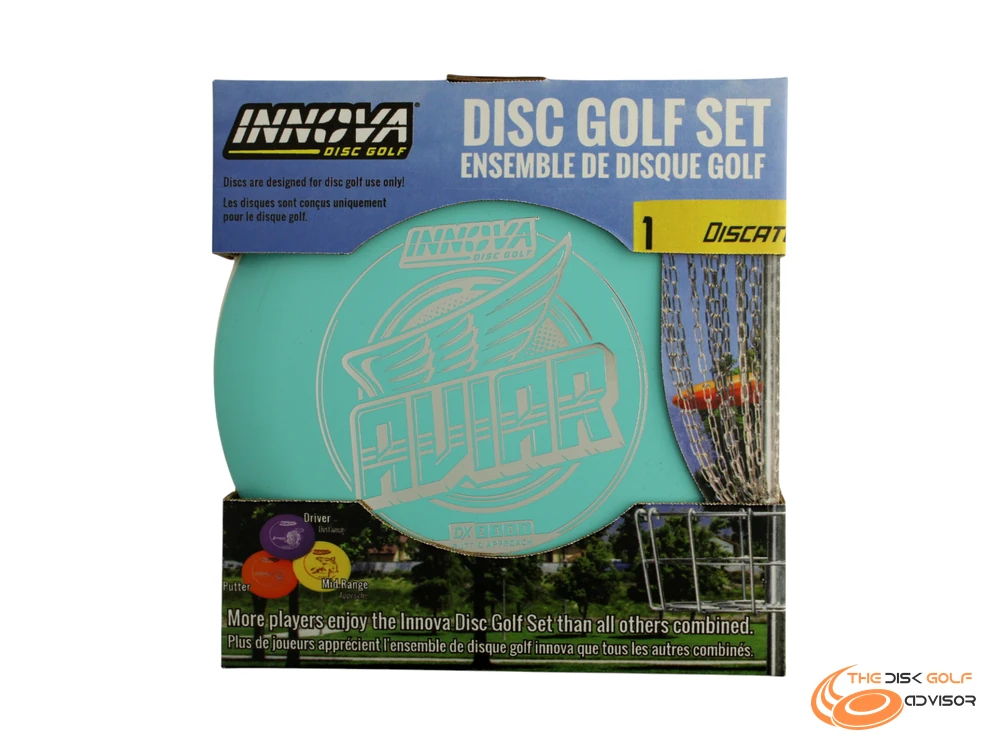
The yellow-and-blue cardboard box sitting on sporting goods shelves across the country remains the starting point for most players. Inside sit three baseline discs: the Aviar putter, the Shark midrange, and the Leopard fairway driver.
Holding these discs reveals why the set endures. Innova’s DX plastic is dry, slightly velvety, and chalky. On humid Midwest mornings when hands get slick with condensation, that chalky texture provides dependable finger traction without needing a rosin bag. Rims on all three molds measure under 1.6 centimeters wide, allowing smaller hands and shorter fingers to wrap into a tight, locked power grip.
On the test field at 35 mph, the trio performs in harmony:
- Aviar: Floats flat into the chains from 20 feet and handles 130-foot approach shots without skipping away.
- Shark: Carries straight for 150 feet before checking up with a dependable, gentle left finish.
- Leopard: Provides genuine glide. Its -2 high-speed turn counteracts low arm speed, allowing the disc to stay aloft rather than crashing into the dirt.
DX plastic has one distinct vulnerability: low impact resistance. A direct strike against an oak trunk at 35 mph will leave a visible stress crease along the rim bevel. After twenty rounds on heavily wooded courses, the Leopard’s wing will bend downward, transforming it into an aggressive turnover disc.
2. Latitude 64 Easy-to-Use Retro Set: Scandinavian Glide
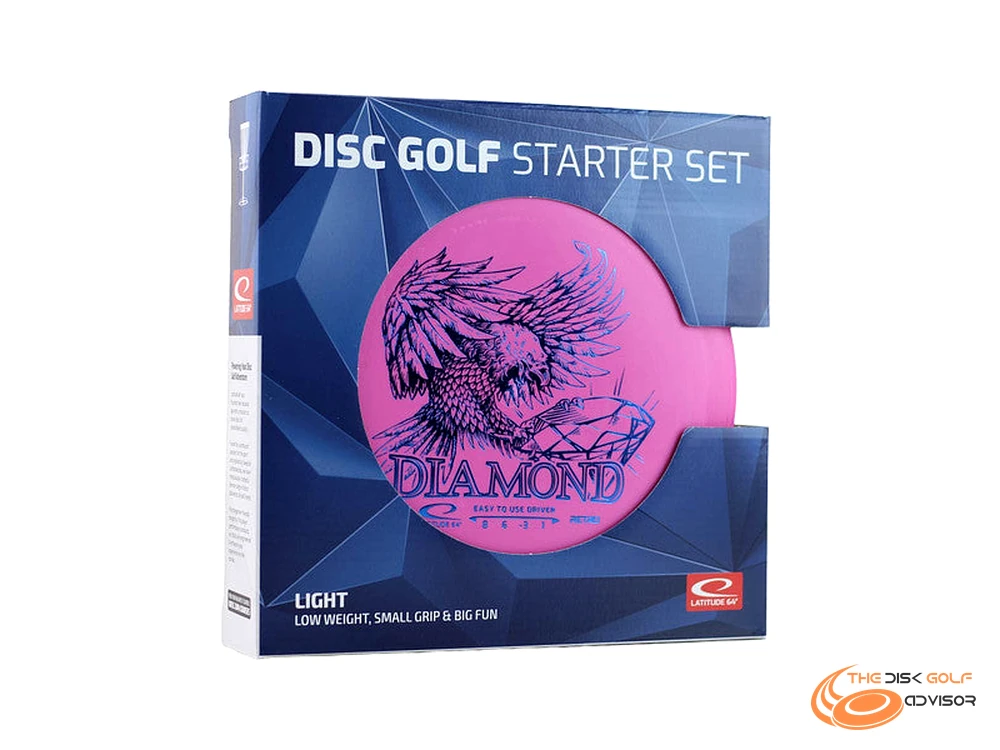
Latitude 64 approached beginner design from an aerodynamic perspective. Rather than packing standard molds in light weights, they engineered their “Easy-to-Use” series (the Keystone putter, Fuse midrange, and Diamond driver) with pronounced dome profiles that generate lift at low forward velocity.
The Retro plastic feels firmer than Innova DX, with a dense, waxy surface that resists minor rock scuffs. The underside of the rim bevel is buffed clean at the factory, eliminating the sharp mold flashing that often rubs beginner finger pads raw during release.
Throwing these discs at 34 to 38 mph reveals immediate differences in flight time. Where standard discs begin descending at the 140-foot mark, the Fuse and Diamond catch air underneath their dome and ride forward:
- Keystone: Features a smooth, rounded nose that releases cleanly on high-arcing putts.
- Fuse: Flies dead-straight across tunnel shots, showing zero tendency to hook left early.
- Diamond: An aerodynamic marvel for beginners. Released flat at 37 mph, it turns softly right, rides a wide, gentle S-curve, and carries past 230 feet with ease.
The tradeoff is wind sensitivity. High-glide, understable wings behave poorly in headwinds. Throwing the Diamond into a 12-mph breeze causes the air rushing over the wing to simulate a 50-mph throw, flipping the disc into a runaway roller.
3. Innova Aviar (DX or Nexus Plastic): The All-Time Standard
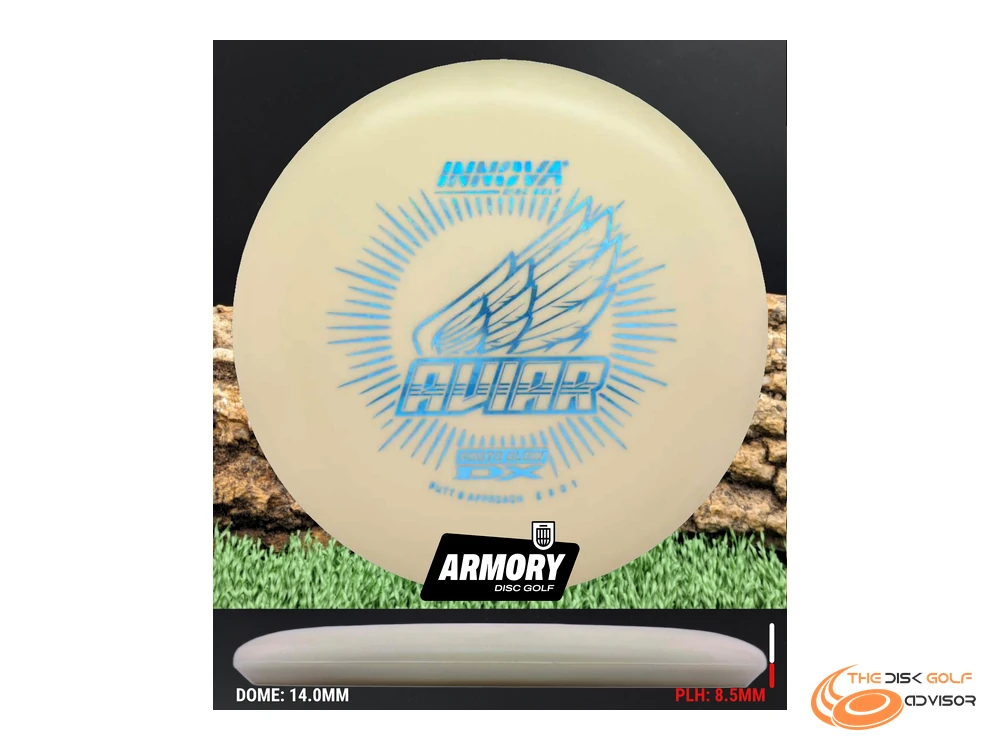
The Innova Aviar has captured more PDGA World Championship titles than all other putters combined. For a beginner, it is both an indispensable scoring tool inside thirty feet and an exceptional teacher of clean release mechanics.
The Aviar utilizes a deep-dish, beadless rim with a gently rounded nose profile. That depth gives the pads of the fingers substantial surface area to rest against during a push putt or spin putt. In baseline DX plastic, the disc feels firm across the flight plate with a tactile, matte finish that grabs iron chain links securely.
Inside the circle, the Aviar flies on a flat, neutral line with minimal deviation. From 120 feet out, thrown with a relaxed fan grip, it resists fluttering and settles to the turf without taking an aggressive forward skip.
Many new players make the mistake of buying lightweight putters. A 150-gram putter gets pushed around by slight cross breezes, ruining putting confidence. In the circle, mass is an ally: a 174-gram Aviar cuts through wind and carries kinetic momentum straight into the chains.
4. Innova Mako3 (Star Plastic): The Zero-Fade Diagnostic Mirror
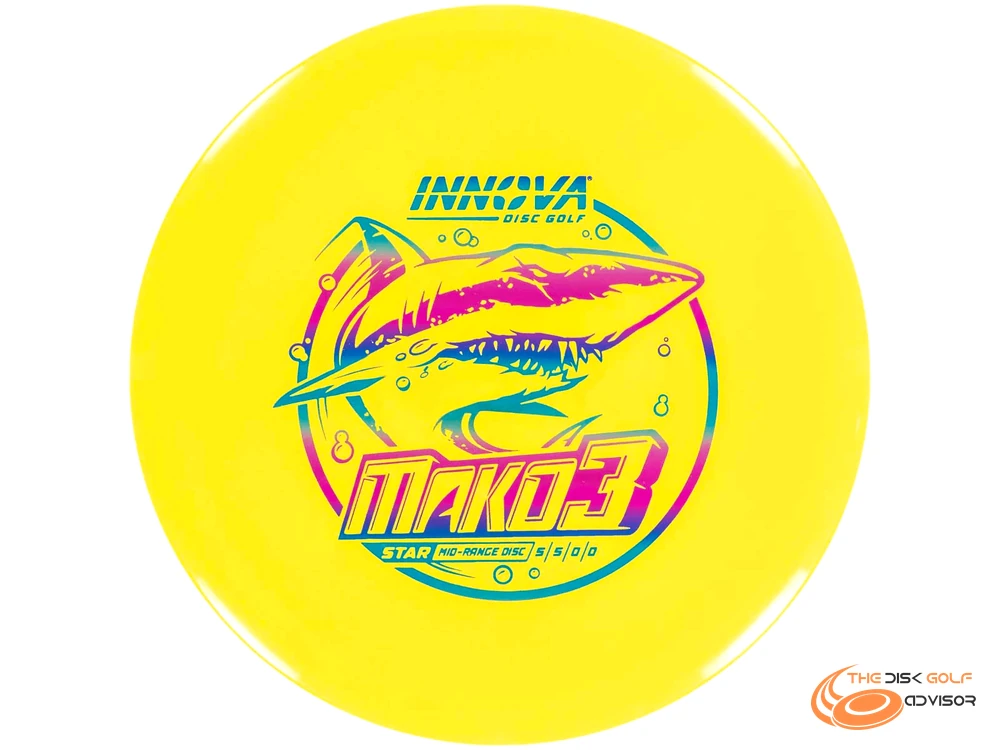
If you want to know what your throwing hand is actually doing, throw an Innova Mako3. Bearing flight numbers of 5 / 5 / 0 / 0, this disc is the purest, straightest flying midrange in modern disc golf.
The Mako3 features a completely flat top and a smooth, beadless rim that feels compact and comfortable in any grip. In Innova’s premium Star plastic, the material offers a semi-flexible, grippy feel that absorbs hard tree collisions without deforming. A Star Mako3 will hit fifty trees at McNaughton Park and emerge with its original flight numbers intact.
The defining characteristic of the Mako3 is honesty:
- Flat Release: Travels on a laser beam for 200 feet and drops flat to the ground.
- Hyzer Release: Holds that gentle left curve without pulling out early.
- Wrist Roll Error (Off-Axis Torque): Wobbles visibly in midair and drifts right, showing you immediately where your release angle broke down.
5. Discraft Buzzz (ESP Plastic): The Tour-Proven Fairway Anchor
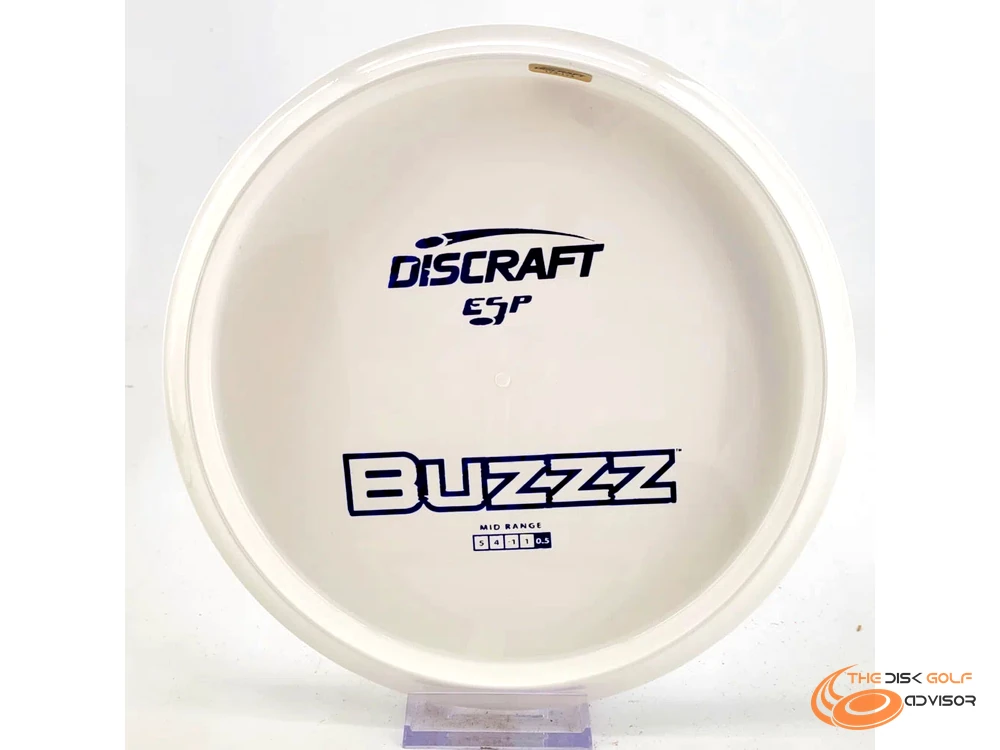
The Discraft Buzzz has remained a staple in tournament bags for more than two decades. Where the Mako3 is an unforgiving diagnostic tool, the Buzzz adds a touch of high-speed stability and a dependable, forward-pushing fade at the end of its flight.
The Buzzz features a low-profile rim with a subtle micro-bead along the lower lip. That lower profile sits comfortably in the hand, making it equally natural for backhand drives and touch forehand approach flicks. Discraft’s ESP plastic provides a firm, slightly tacky feel with distinctive swirled colors that stand out in autumn leaves.
Thrown flat at 38 to 44 mph, the Buzzz holds straight for 85 percent of its flight before gently checking up with a soft, forward-penetrating fade. Unlike overstable midranges that dump out of the sky, the Buzzz fights forward as it fades, giving throwers predictable placement on fairways bounded by thick rough.
6. Latitude 64 Diamond (Opto Plastic): Effortless Fairway Distance
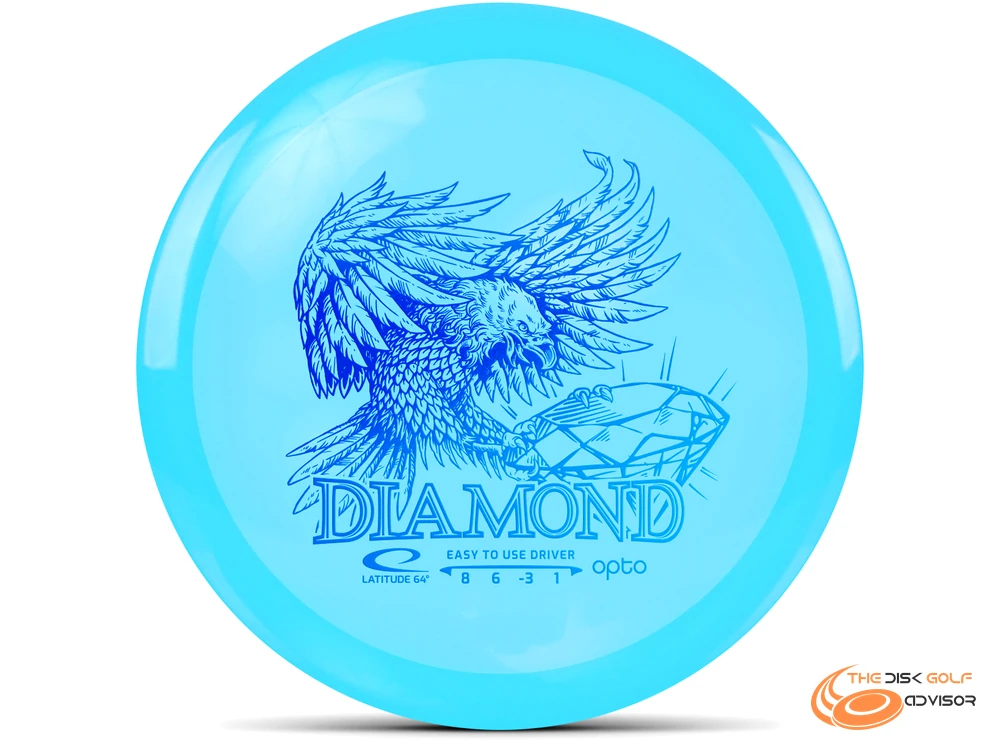
The Latitude 64 Diamond was engineered to solve one problem: beginner arm speed. Produced exclusively in lightweight runs between 150 and 158 grams, this 8-speed driver allows slower arms to achieve the full high-speed turn that pros get from heavy drivers.
The rim measures 1.8 centimeters wide: sleek and shallow enough that smaller hands can lock in without feeling the disc slip out early. In Latitude 64’s Opto plastic, the disc is crystal-clear and extraordinarily tough, withstanding direct rock strikes without losing its understable flight characteristics.
Thrown flat at 36 to 40 mph, the Diamond’s -3 Turn rating takes over. Instead of banking left, the disc flips up, drifts smoothly to the right, and glides forward on an extended S-curve. For a player stuck at the 170-foot mark, the Diamond routinely adds 30 to 50 feet of distance on their first field session.
7. Innova Leopard (Star Plastic): The Classic First Driver
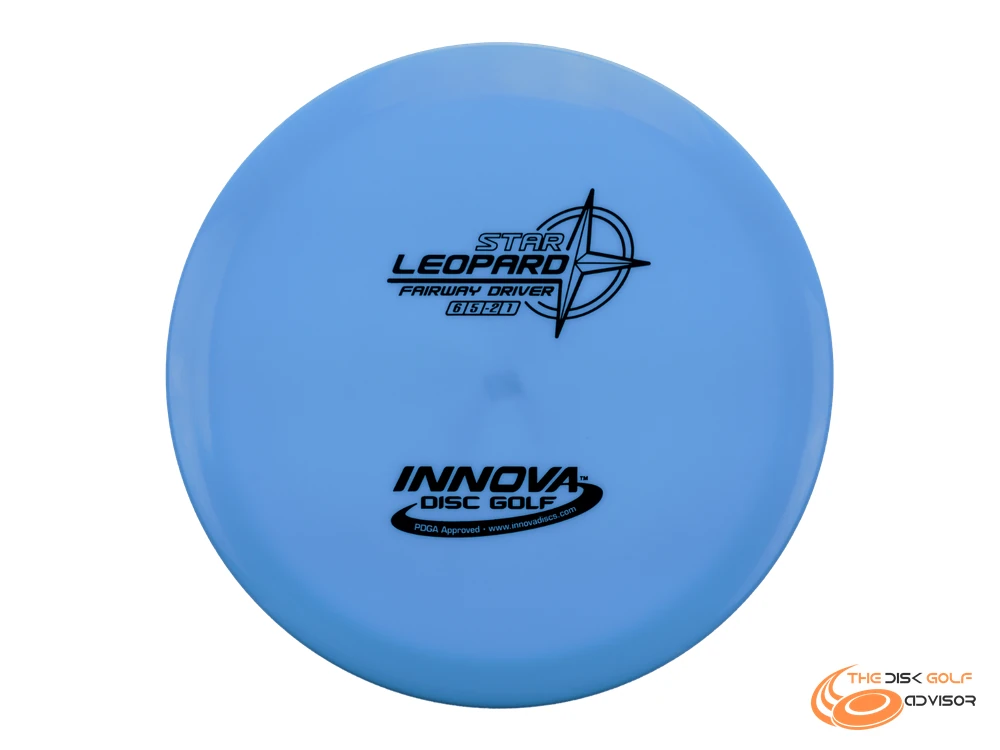
The Innova Leopard is the traditional choice for a player’s first driver. Rated at Speed 6 with a -2 Turn and a 1 Fade, it provides the bridge between midranges and wide-rim drivers without punishing developing technique.
The Leopard’s 1.6 cm rim feels narrow and manageable. It does not hang up on the index finger during release, eliminating the early grip-lock releases that plague beginners throwing wide-rim drivers. Star plastic gives the Leopard a premium feel that stays tacky during damp Midwest spring rounds and cold October tournaments.
Thrown flat at 38 to 44 mph, the Leopard tracks straight down the fairway, shows a gentle rightward turn through mid-flight, and finishes with a soft, predictable fade. It is also the finest tool available for learning how to throw a hyzer-flip: releasing the disc on a slight downward angle and watching it stand up flat in midair.
Matching Discs to Current Throwing Power
Beginners enter disc golf with different athletic baselines. Matching disc selection to current distance prevents bad habits and encourages smooth mechanics:
The Strategy: Putters and midranges only. Drivers will dive early and encourage an arm-heavy roundhouse swing.
Recommended Discs: Innova Aviar (172g DX) + Innova Mako3 (165g Star).
The Reason: Slower discs generate more aerodynamic lift at sub-35 mph speeds, keeping the flight airborne longer and landing straight.
The Strategy: Add a single lightweight, high-glide driver to unlock initial fairway distance.
Recommended Discs: Innova Aviar (172g DX) + Discraft Buzzz (167g ESP) + Latitude 64 Diamond (155g Opto).
The Reason: The Diamond’s understable wing counteracts low release velocity, allowing throwers to crack the 200-foot barrier without muscling the disc.
The Strategy: Controlled fairway placement with dependable angle integrity.
Recommended Discs: Innova Aviar (175g Nexus) + Discraft Buzzz (170g ESP) + Innova Leopard (164g Star) + Latitude 64 Diamond (158g Opto).
The Reason: The Leopard provides surgical fairway placement on tight wooded holes without skipping out of bounds.
Interactive Decision Tree: Find Your Starting Discs
Follow this 3-step decision path to pinpoint the right equipment for your first season:
What is your starting budget?
What is your athletic throwing background?
What is your biggest on-course frustration right now?
Head-to-Head: Innova Mako3 vs. Discraft Buzzz
The two most popular beginner midranges on the market take different approaches to fairway control:
| Technical Feature | Innova Mako3 | Discraft Buzzz | The Practical Difference |
|---|---|---|---|
| Flight Numbers | 5 / 5 / 0 / 0 | 5 / 4 / -1 / 1 | Mako3 is pure neutral; Buzzz has late fade |
| Flight Purity | Straight as a laser; zero fade | Straight with mild finishing fade | Mako3 holds the truest line |
| Wind Resistance | Prone to lifting in headwinds | Fights crosswinds cleanly | Buzzz handles breezes better |
| Form Feedback | Exposes wrist roll immediately | Forgives minor angle flaws | Mako3 is the better teacher |
| Grip Profile | Beadless, flat flight plate | Low profile with micro-bead | Tie (Both fit smaller hands well) |
| Long-Term Utility | Remains a touch woods disc | Remains a primary workhorse | Buzzz stays in pro bags permanently |
The Takeaway: Choose the Innova Mako3 if your home courses are tightly wooded and you want a disc that forces you to develop clean, flat technique. Choose the Discraft Buzzz if you play open, breezy courses and want a dependable workhorse that handles minor release mistakes.
Starter Pack vs. Custom 3-Disc Quiver: The Real Economics
Compare the practical value and longevity between a boxed starter pack and building your own custom premium bag:
The $25 Boxed Starter Set
Innova DX or Latitude 64 Retro
Simple one-click purchase with matched lightweight molds. Offers the lowest barrier to entry for any new player.
Molded in baseline plastics that dent upon tree impacts. Flight paths shift toward understability after 15 to 20 rounds of woods play.
Casual players trying the sport for the first time or families playing occasional summer weekend rounds.
The $48 Custom Premium Quiver
Base Putter (Aviar DX) + Premium Midrange (Mako3 Star) + Premium Driver (Diamond Opto)
Innova Aviar DX ($12) + Innova Mako3 Star ($18) + Latitude 64 Diamond Opto ($18). Premium polymers resist rock gouges.
Flight characteristics remain stable across years of tree hits. Grip stays secure in wet weather, retaining strong resale value.
Anyone committed to playing disc golf at least twice a month who wants equipment that scales with their game.
Sleeper Picks: Hidden Gems Worth Throwing
Beyond the mainstream bestsellers, these two boutique molds deliver unique aerodynamic advantages for developing players looking to elevate their game:
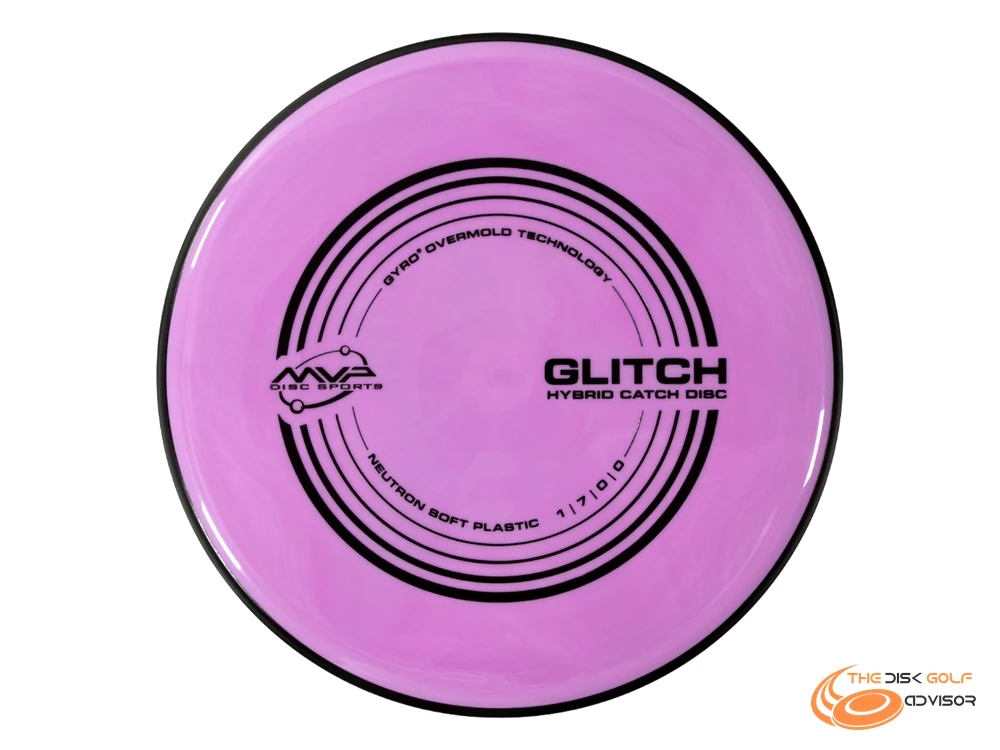
MVP Glitch (Soft Neutron Plastic)
A hybrid catch-and-throw disc that feels like a refined traditional Frisbee. A relaxed wrist flick sends it gliding 150 feet in a straight line with minimal effort. It is the finest warm-up disc and touch approach tool in the sport today.
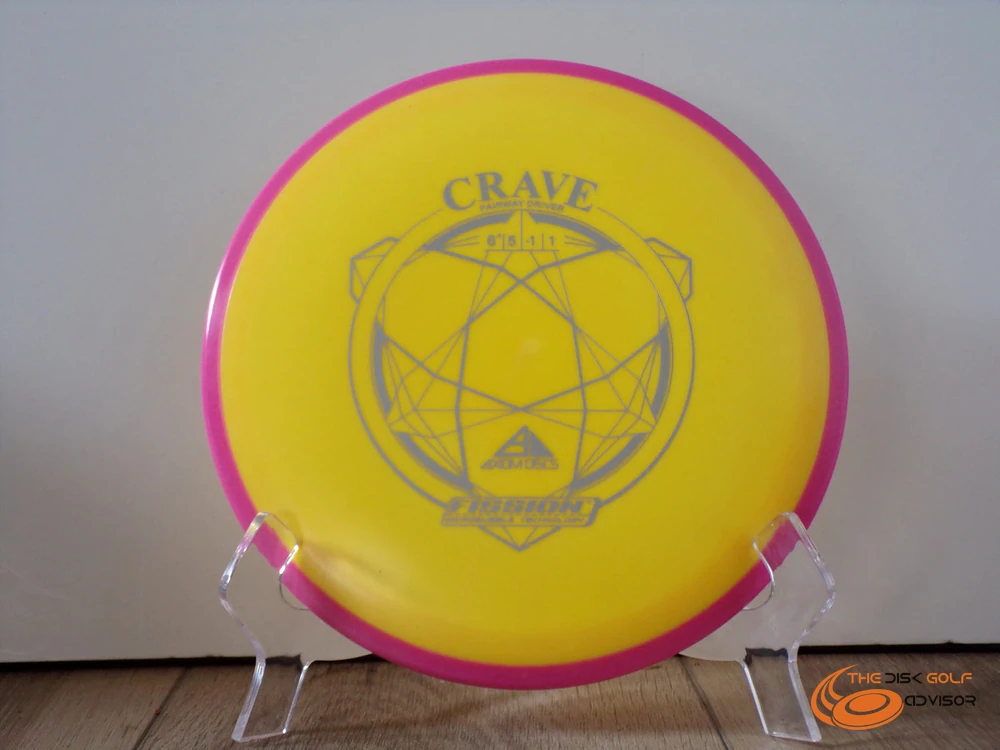
Axiom Crave (Neutron Plastic)
Featuring MVP’s GYRO overmold technology (a denser outer rim). In Neutron plastic, it flies like a seasoned fairway driver right off the shelf, holding straight fairway lines and penetrating forward without skipping out of bounds.
Field Test Data: Measured Radar and Carry Benchmarks
Recorded on flat turf at Illinois Central College (calm air, 65°F, 3 beginner throwers, 10-throw averages per mold):
| Disc Model & Test Weight | Launch Velocity (mph) | Carry Distance (ft) | Total Distance with Slide (ft) | Lateral Deviation (ft) | Apex Height (ft) |
|---|---|---|---|---|---|
| Latitude 64 Diamond (155g) | 37.8 | 242 | 251 | 8 ft Right / 4 ft Left | 18 ft |
| Innova Leopard (164g) | 38.2 | 226 | 234 | 4 ft Right / 8 ft Left | 16 ft |
| Discraft Buzzz (168g) | 36.9 | 214 | 221 | 2 ft Right / 10 ft Left | 15 ft |
| Innova Mako3 (166g) | 37.1 | 208 | 211 | 0 ft Right / 2 ft Left | 14 ft |
| Innova Shark (150g) | 35.8 | 182 | 188 | 0 ft Right / 14 ft Left | 17 ft |
| Innova Aviar (172g) | 33.4 | 156 | 158 | 0 ft Right / 4 ft Left | 12 ft |
Practical Questions from New Players (FAQ)
Click on any question below to expand the answer:
01
What is the “35 Rule” for disc selection?
What is the “35 Rule” for disc selection?
The 35 Rule is a reliable formula for finding your maximum recommended disc speed. Divide your maximum consistent throwing distance in feet by 35:
A thrower with 210 feet of power should throw a 6-speed fairway driver, such as an Innova Leopard. Moving to a 10, 11, or 12-speed driver before achieving 350 feet of power leads directly to premature fade and lost distance.
02
How does disc weight affect distance for beginners?
How does disc weight affect distance for beginners?
Discs in the 150g to 165g range require less kinetic energy to reach cruising velocity. Slower arm speeds can accelerate lighter discs faster, generating the higher spin rates needed to activate high-speed turn. The lone exception is your putting putter: keep it heavy (170-175g) to resist wind gusts inside the circle and carry momentum through the chains.
03
Why does every drive dump hard to the left?
Why does every drive dump hard to the left?
For a right-handed backhand thrower, a disc dumping sharply left indicates one of two mechanical issues:
- Speed Mismatch: The disc requires 60 mph of launch velocity, causing it to stall out at 35 mph.
- Nose-Up Orientation: Releasing the disc tilted upward allows oncoming air to push against the flight plate, stalling forward momentum and forcing an immediate left hook.
04
How many discs should a beginner carry?
How many discs should a beginner carry?
Two or three discs are plenty: one putter for scoring inside thirty feet, one straight midrange for fairway placement, and one low-speed fairway driver for maximum distance off the tee. Carrying ten or more discs as a beginner clutters decision-making and slows down mechanical progress.
05
What is the difference between base and premium plastics?
What is the difference between base and premium plastics?
Base plastics (Innova DX, Dynamic Prime, Latitude Retro) cost $10 to $12. They provide a chalky grip that grabs chains well, but they dent easily upon tree collisions. Premium plastics (Innova Star, Discraft ESP, Latitude Opto) cost $18 to $22. They feature resilient polymers that absorb hundreds of tree strikes while maintaining their original flight paths for years.
06
What is the 30-Second Rule in tournament play?
What is the 30-Second Rule in tournament play?
Under PDGA Official Rule 802.03 (Excessive Time), a player has 30 seconds to throw once they have reached their lie, determined the throwing order, and have a clear fairway. While casual rounds do not enforce this strictly, developing a steady 15-to-20-second pre-shot routine builds tournament focus.
Final Recommendation: Building Your Starting Bag
To eliminate frustration and build clean mechanics that last, leave high-speed distance drivers on the store rack and build this custom three-disc setup:
- Putter: Innova Aviar (172-175g, DX Plastic): Reliable inside the circle, straight on approaches.
- Midrange: Innova Mako3 (165-170g, Star Plastic) OR Discraft Buzzz (168g, ESP Plastic): Laser-straight control that reveals release angles.
- Fairway Driver: Latitude 64 Diamond (152-158g, Opto Plastic): Effortless glide and built-in turn for 200+ foot distance.
Your First Field Session Blueprint
- Head to an open soccer or baseball field rather than a heavily wooded course.
- Stand sideways on the grass with feet shoulder-width apart: skip the running X-step during your first few weeks.
- Grip the disc firmly, tilt your wrist downward as if pouring a cup of coffee (locking the nose angle down), and pull straight across your chest line.
- Focus on smooth, level releases at 75 percent effort. Let the disc’s aerodynamics do the work.
Have a Question or Want Gear Tested?
I read every note from local and beginner players. If you want help diagnosing your release angle or want us to test a specific mold on our Peoria test field, drop a line directly to diskgolfadvisior@gmail.com or head over to our Contact Page. Review our complete Affiliate Disclosure and Terms and Conditions for our independent testing policies. See you on the fairways!
.dga-article-content {
font-family: -apple-system, BlinkMacSystemFont, “Segoe UI”, Roboto, Oxygen, Ubuntu, Cantarell, sans-serif;
line-height: 1.75;
color: #1e293b;
max-width: 920px;
margin: 0 auto;
}
.dga-author-meta-box {
display: flex;
align-items: center;
gap: 16px;
background: #f8fafc;
border: 1px solid #e2e8f0;
padding: 16px 20px;
border-radius: 8px;
margin-bottom: 28px;
}
.dga-author-meta-avatar img {
width: 58px;
height: 58px;
border-radius: 50%;
object-fit: cover;
border: 1px solid #e2e8f0;
}
.dga-author-meta-text {
font-size: 0.95rem;
color: #475569;
}
.dga-author-links {
display: block;
font-size: 0.85rem;
margin-top: 4px;
}
.dga-author-links a {
color: #0f172a;
text-decoration: underline;
}
.dga-callout-box {
background: #f8fafc;
border: 1px solid #e2e8f0;
border-radius: 10px;
padding: 22px 26px;
margin: 28px 0;
position: relative;
}
.dga-prescription-box {
background: #f8fafc;
border: 1px solid #e2e8f0;
}
.dga-box-badge {
display: inline-block;
background: #0f172a;
color: #ffffff;
font-size: 0.75rem;
font-weight: 700;
text-transform: uppercase;
letter-spacing: 0.5px;
padding: 3px 10px;
border-radius: 4px;
margin-bottom: 10px;
}
.dga-box-title {
margin-top: 0;
color: #0f172a;
font-size: 1.35rem;
}
.dga-prescription-list {
margin: 14px 0;
padding-left: 20px;
}
.dga-prescription-list li {
margin-bottom: 10px;
}
.dga-box-footer-note {
margin-bottom: 0;
font-size: 0.92rem;
color: #64748b;
}
.dga-toc-box {
background: #f1f5f9;
border: 1px solid #cbd5e1;
border-radius: 8px;
padding: 20px 24px;
margin: 32px 0;
}
.dga-toc-title {
margin-top: 0;
font-size: 1.15rem;
color: #0f172a;
border-bottom: 2px solid #cbd5e1;
padding-bottom: 8px;
}
.dga-toc-list {
margin: 12px 0 0 0;
padding-left: 20px;
}
.dga-toc-list li {
margin-bottom: 6px;
font-size: 0.94rem;
}
.dga-toc-list a {
color: #0284c7;
text-decoration: none;
}
.dga-toc-list a:hover {
text-decoration: underline;
color: #ff751f;
}
.dga-table-responsive {
overflow-x: auto;
-webkit-overflow-scrolling: touch;
margin: 24px 0 32px 0;
border: 1px solid #e2e8f0;
border-radius: 8px;
}
.dga-custom-table {
width: 100%;
border-collapse: collapse;
text-align: left;
font-size: 0.92rem;
}
.dga-custom-table th {
background: #0f172a;
color: #ffffff;
padding: 12px 14px;
font-weight: 600;
white-space: nowrap;
}
.dga-custom-table td {
padding: 12px 14px;
border-bottom: 1px solid #e2e8f0;
color: #334155;
}
.dga-custom-table tr:nth-child(even) {
background: #f8fafc;
}
.dga-product-card {
background: #ffffff;
border: 1px solid #e2e8f0;
border-radius: 12px;
padding: 24px;
margin: 36px 0;
box-shadow: 0 2px 8px rgba(0,0,0,0.04);
}
.dga-product-header {
margin-bottom: 16px;
}
.dga-product-rank {
display: inline-block;
background: #ff751f;
color: #ffffff;
font-size: 0.75rem;
font-weight: 700;
padding: 3px 8px;
border-radius: 4px;
text-transform: uppercase;
margin-bottom: 6px;
}
.dga-product-name {
margin: 6px 0 0 0;
font-size: 1.45rem;
color: #0f172a;
}
.dga-product-figure {
margin: 16px 0;
text-align: center;
}
.dga-product-img {
max-width: 100%;
height: auto;
border-radius: 8px;
border: 1px solid #f1f5f9;
}
.dga-product-figure figcaption {
font-size: 0.85rem;
color: #64748b;
margin-top: 8px;
font-style: italic;
}
.dga-specs-grid {
display: grid;
grid-template-columns: repeat(auto-fit, minmax(180px, 1fr));
gap: 12px;
background: #f8fafc;
border: 1px solid #e2e8f0;
border-radius: 8px;
padding: 14px;
margin: 18px 0;
}
.dga-spec-item {
display: flex;
flex-direction: column;
}
.dga-spec-label {
font-size: 0.75rem;
text-transform: uppercase;
color: #64748b;
font-weight: 600;
}
.dga-spec-val {
font-size: 0.95rem;
color: #0f172a;
font-weight: 700;
}
.dga-radar-box {
background: #f8fafc;
border: 1px solid #e2e8f0;
padding: 14px 18px;
border-radius: 8px;
margin: 16px 0;
font-size: 0.92rem;
color: #1e293b;
}
.dga-verdict-box {
background: #f0fdf4;
border: 1px solid #bbf7d0;
padding: 14px 18px;
border-radius: 8px;
margin: 16px 0;
font-size: 0.95rem;
color: #14532d;
}
.dga-cta-box {
margin-top: 20px;
text-align: center;
}
.dga-affiliate-btn {
display: inline-flex;
align-items: center;
justify-content: center;
gap: 8px;
background: #ff751f;
color: #ffffff !important;
font-size: 1rem;
font-weight: 700;
padding: 12px 28px;
border-radius: 8px;
text-decoration: none !important;
box-shadow: 0 4px 12px rgba(255, 117, 31, 0.28);
transition: all 0.2s ease;
}
.dga-affiliate-btn:hover {
background: #e05e0c;
transform: translateY(-1px);
}
.dga-cta-subtext {
display: block;
font-size: 0.78rem;
color: #94a3b8;
margin-top: 6px;
}
/* WIDE BOXES CONTAINER (FOR ECONOMICS & SLEEPER PICKS) */
.dga-wide-boxes-container {
display: flex;
flex-direction: column;
gap: 16px;
margin: 24px 0 32px 0;
width: 100%;
}
.dga-wide-box {
background: #ffffff;
border: 1px solid #e2e8f0;
border-radius: 10px;
padding: 20px 24px;
box-shadow: 0 1px 4px rgba(0,0,0,0.03);
transition: all 0.2s ease;
width: 100%;
box-sizing: border-box;
}
.dga-wide-box:hover {
border-color: #cbd5e1;
box-shadow: 0 4px 12px rgba(0,0,0,0.06);
}
.dga-wb-highlight {
border-color: #cbd5e1;
background: #f8fafc;
position: relative;
}
.dga-wb-header {
display: flex;
justify-content: space-between;
align-items: flex-start;
flex-wrap: wrap;
gap: 10px;
padding-bottom: 14px;
border-bottom: 1px solid #f1f5f9;
margin-bottom: 14px;
}
.dga-wb-title-group {
flex: 1;
min-width: 240px;
}
.dga-wb-pill {
display: inline-block;
background: #0f172a;
color: #ffffff;
font-size: 0.72rem;
font-weight: 700;
text-transform: uppercase;
letter-spacing: 0.5px;
padding: 2px 8px;
border-radius: 4px;
margin-bottom: 6px;
}
.dga-wb-title {
margin: 0;
font-size: 1.25rem;
color: #0f172a;
}
.dga-wb-subtitle {
display: block;
font-size: 0.85rem;
color: #64748b;
margin-top: 2px;
}
.dga-wb-price-badge {
background: #0f172a;
color: #ffffff;
font-size: 0.82rem;
font-weight: 700;
padding: 4px 10px;
border-radius: 6px;
white-space: nowrap;
}
.dga-badge-orange {
background: #0f172a !important;
}
.dga-wb-content {
display: grid;
grid-template-columns: repeat(auto-fit, minmax(220px, 1fr));
gap: 16px;
}
.dga-wb-col {
font-size: 0.9rem;
line-height: 1.6;
color: #334155;
}
.dga-wb-col strong {
color: #0f172a;
display: block;
margin-bottom: 4px;
font-size: 0.88rem;
}
.dga-wb-col p {
margin: 0;
}
/* SLEEPER PICKS CARDS GRID */
.dga-sleeper-cards-grid {
display: grid;
grid-template-columns: repeat(auto-fit, minmax(320px, 1fr));
gap: 24px;
margin: 28px 0 36px 0;
width: 100%;
box-sizing: border-box;
}
.dga-sleeper-card {
background: #ffffff;
border: 1px solid #e2e8f0;
border-radius: 12px;
overflow: hidden;
box-shadow: 0 2px 8px rgba(0, 0, 0, 0.03);
display: flex;
flex-direction: column;
position: relative;
transition: all 0.25s ease;
box-sizing: border-box;
}
.dga-sleeper-card:hover {
border-color: #cbd5e1;
box-shadow: 0 8px 24px rgba(0, 0, 0, 0.07);
transform: translateY(-2px);
}
.dga-sc-badge {
position: absolute;
top: 14px;
left: 14px;
background: #0f172a;
color: #ffffff;
font-size: 0.72rem;
font-weight: 700;
text-transform: uppercase;
letter-spacing: 0.5px;
padding: 4px 10px;
border-radius: 6px;
z-index: 2;
}
.dga-sc-media {
background: #f8fafc;
padding: 30px 20px 20px 20px;
display: flex;
align-items: center;
justify-content: center;
position: relative;
border-bottom: 1px solid #f1f5f9;
min-height: 220px;
}
.dga-sc-img {
max-width: 190px;
max-height: 190px;
width: auto;
height: auto;
object-fit: contain;
display: block;
transition: transform 0.25s ease;
}
.dga-sleeper-card:hover .dga-sc-img {
transform: scale(1.03);
}
.dga-sc-flight-badge {
position: absolute;
bottom: 12px;
right: 14px;
background: #0f172a;
color: #ffffff;
font-size: 0.78rem;
font-weight: 700;
padding: 4px 10px;
border-radius: 6px;
letter-spacing: 0.5px;
box-shadow: 0 2px 6px rgba(0, 0, 0, 0.15);
}
.dga-sc-body {
padding: 22px 24px;
display: flex;
flex-direction: column;
flex: 1;
}
.dga-sc-category {
font-size: 0.78rem;
text-transform: uppercase;
color: #64748b;
font-weight: 600;
letter-spacing: 0.5px;
margin-bottom: 6px;
}
.dga-sc-title {
font-size: 1.25rem;
font-weight: 700;
color: #0f172a;
margin: 0 0 10px 0;
line-height: 1.35;
}
.dga-sc-desc {
font-size: 0.94rem;
color: #475569;
line-height: 1.65;
margin: 0 0 18px 0;
}
.dga-sc-specs {
display: grid;
grid-template-columns: 1fr 1fr;
gap: 8px 12px;
background: #f8fafc;
padding: 12px 14px;
border-radius: 8px;
border: 1px solid #f1f5f9;
margin-bottom: 20px;
font-size: 0.85rem;
}
.dga-sc-spec {
color: #334155;
}
.dga-sc-label {
color: #64748b;
font-size: 0.78rem;
display: block;
}
.dga-sc-cta {
margin-top: auto;
text-align: center;
}
.dga-sc-btn {
display: flex;
align-items: center;
justify-content: center;
gap: 8px;
background: #ff751f;
color: #ffffff !important;
font-size: 0.95rem;
font-weight: 700;
padding: 12px 20px;
border-radius: 8px;
text-decoration: none !important;
box-shadow: 0 3px 10px rgba(255, 117, 31, 0.25);
transition: all 0.2s ease;
width: 100%;
box-sizing: border-box;
}
.dga-sc-btn:hover {
background: #ea580c;
box-shadow: 0 5px 14px rgba(255, 117, 31, 0.35);
transform: translateY(-1px);
}
.dga-sc-note {
display: block;
font-size: 0.76rem;
color: #94a3b8;
margin-top: 6px;
}
/* SLIM MINIMAL FAQ ACCORDION */
.dga-faq-accordion {
display: flex;
flex-direction: column;
gap: 7px;
margin: 18px 0 28px 0;
width: 100%;
}
.dga-faq-item {
background: #ffffff;
border: 1px solid #e2e8f0;
border-radius: 7px;
overflow: hidden;
box-shadow: 0 1px 2px rgba(0, 0, 0, 0.02);
transition: border-color 0.2s ease, box-shadow 0.2s ease;
width: 100%;
box-sizing: border-box;
}
.dga-faq-item:hover {
border-color: #cbd5e1;
box-shadow: 0 2px 6px rgba(0, 0, 0, 0.04);
}
.dga-faq-item[open] {
border-color: #cbd5e1;
box-shadow: 0 2px 8px rgba(0, 0, 0, 0.05);
}
.dga-faq-trigger {
display: flex;
justify-content: space-between;
align-items: center;
padding: 9px 14px;
min-height: 40px;
cursor: pointer;
background: #ffffff;
list-style: none;
user-select: none;
gap: 10px;
transition: background 0.15s ease;
}
.dga-faq-trigger::-webkit-details-marker {
display: none;
}
.dga-faq-trigger:hover {
background: #f8fafc;
}
.dga-faq-item[open] .dga-faq-trigger {
background: #f8fafc;
border-bottom: 1px solid #f1f5f9;
}
.dga-faq-q-wrapper {
display: flex;
align-items: center;
gap: 10px;
flex: 1;
}
.dga-faq-q-badge {
display: inline-flex;
align-items: center;
justify-content: center;
width: 22px;
height: 22px;
border-radius: 5px;
background: #f1f5f9;
color: #0f172a;
font-size: 0.70rem;
font-weight: 700;
flex-shrink: 0;
transition: all 0.2s ease;
letter-spacing: 0.3px;
}
.dga-faq-item[open] .dga-faq-q-badge {
background: #ff751f;
color: #ffffff;
}
.dga-faq-question {
font-size: 0.93rem;
font-weight: 600;
color: #0f172a;
line-height: 1.35;
margin: 0;
}
.dga-faq-toggle-icon {
width: 22px;
height: 22px;
border-radius: 50%;
background: #f1f5f9;
display: flex;
align-items: center;
justify-content: center;
flex-shrink: 0;
color: #64748b;
transition: transform 0.25s ease, background 0.2s ease, color 0.2s ease;
}
.dga-faq-trigger:hover .dga-faq-toggle-icon {
background: #e2e8f0;
color: #0f172a;
}
.dga-faq-item[open] .dga-faq-toggle-icon {
transform: rotate(180deg);
background: #0f172a;
color: #ffffff;
}
.dga-faq-panel {
padding: 12px 16px 14px 16px;
background: #ffffff;
font-size: 0.90rem;
line-height: 1.6;
color: #334155;
}
.dga-faq-panel p {
margin: 0 0 8px 0;
}
.dga-faq-panel p:last-child {
margin-bottom: 0;
}
.dga-faq-panel ol {
margin: 6px 0 8px 18px;
padding: 0;
}
.dga-faq-panel li {
margin-bottom: 4px;
}
.dga-formula-box {
background: #f8fafc;
border: 1px solid #e2e8f0;
padding: 7px 12px;
border-radius: 6px;
margin: 8px 0;
font-family: ui-monospace, SFMono-Regular, monospace;
font-size: 0.86rem;
color: #0f172a;
}
/* BRACKET AND DECISION TREE CARDS */
.dga-bracket-grid {
display: grid;
grid-template-columns: repeat(auto-fit, minmax(240px, 1fr));
gap: 16px;
margin: 24px 0;
}
.dga-bracket-card {
background: #ffffff;
border: 1px solid #e2e8f0;
border-radius: 8px;
padding: 18px;
}
.dga-bracket-header {
font-weight: 700;
color: #0f172a;
font-size: 1.05rem;
margin-bottom: 8px;
border-bottom: 1px solid #f1f5f9;
padding-bottom: 6px;
}
.dga-decision-tree-card {
background: #f8fafc;
border: 1px solid #e2e8f0;
border-radius: 10px;
padding: 24px;
margin: 24px 0;
}
.dga-decision-tree-card a {
color: #ff751f !important;
font-weight: 700 !important;
text-decoration: underline !important;
text-underline-offset: 3px !important;
transition: color 0.2s ease;
}
.dga-decision-tree-card a:hover {
color: #ea580c !important;
}
.dga-article-content p a, .dga-article-content li a {
color: #ff751f;
text-decoration: underline;
text-underline-offset: 3px;
font-weight: 600;
transition: color 0.2s ease;
}
.dga-article-content p a:hover, .dga-article-content li a:hover {
color: #ea580c;
}
.dga-dt-step {
margin-bottom: 20px;
}
.dga-dt-num {
display: inline-block;
background: #0f172a;
color: #ffffff;
font-size: 0.75rem;
font-weight: 700;
padding: 2px 8px;
border-radius: 4px;
}
.dga-dt-step h4 {
margin: 8px 0;
font-size: 1.1rem;
color: #0f172a;
}
.dga-dt-branch {
padding-left: 12px;
}
.dga-dt-choice {
margin-bottom: 6px;
font-size: 0.92rem;
}
/* SIGNOFF BOX */
.dga-contact-signoff {
background: #000000;
color: #f8fafc;
padding: 28px;
border-radius: 12px;
margin-top: 40px;
border: 1px solid #1e293b;
}
.dga-contact-signoff h3 {
color: #ffffff;
margin-top: 0;
}
.dga-contact-signoff p {
color: #e2e8f0;
}
.dga-contact-signoff a {
color: #ff751f;
text-decoration: underline;
text-underline-offset: 3px;
font-weight: 600;
transition: color 0.2s ease;
}
.dga-contact-signoff a:hover {
color: #ea580c;
}
/* RESPONSIVE BREAKPOINTS */
@media (max-width: 680px) {
.dga-author-meta-box {
flex-direction: column;
text-align: center;
}
.dga-affiliate-btn {
width: 100%;
padding: 14px 18px;
}
.dga-sleeper-cards-grid {
grid-template-columns: 1fr;
gap: 20px;
}
.dga-sc-media {
min-height: 180px;
padding: 24px 16px 16px 16px;
}
.dga-sc-img {
max-width: 160px;
max-height: 160px;
}
.dga-sc-body {
padding: 18px 20px;
}
.dga-wb-header {
flex-direction: column;
}
.dga-faq-trigger {
padding: 8px 12px;
gap: 8px;
min-height: 38px;
}
.dga-faq-question {
font-size: 0.86rem;
}
.dga-faq-panel {
padding: 10px 12px 12px 12px;
font-size: 0.86rem;
}
}